
A visible cistern component issue is a different scope from a concealed leak, a faulty pan connection or a blockage deeper in the drain. Identifying the cause is the starting point for a firm price.
A running, leaking or blocked toilet needs clear next steps, not guesswork. Grade A Plumbing helps Melbourne homes, rentals and businesses assess toilet faults and arrange the right repair.
Tell us whether the toilet is blocked, leaking, constantly running or not flushing as expected.
A toilet that will not stop running, will not flush properly or is backing up can quickly disrupt a home, tenancy or workplace. Some faults waste water quietly; others can lead to an overflow, damaged flooring and a bathroom that cannot be used. Grade A Plumbing provides toilet repair help across Melbourne for homeowners, tenants, landlords, property managers and businesses.
The useful first step is to notice what the toilet is doing: whether water is constantly entering the bowl, whether the cistern leaks, whether the bowl rises after a flush, or whether other drains are slow as well. These details help separate a cistern fault from a possible drain blockage. A firm price needs the toilet and the affected pipework to be assessed, because the visible symptom is not always the underlying cause.
For an urgent overflow or a toilet that cannot be safely used, call Grade A Plumbing on (02) 5837 5457. Emergency plumbing enquiries are available 24/7 where available; urgency and the work needed are assessed from the situation, rather than promised from a distance.
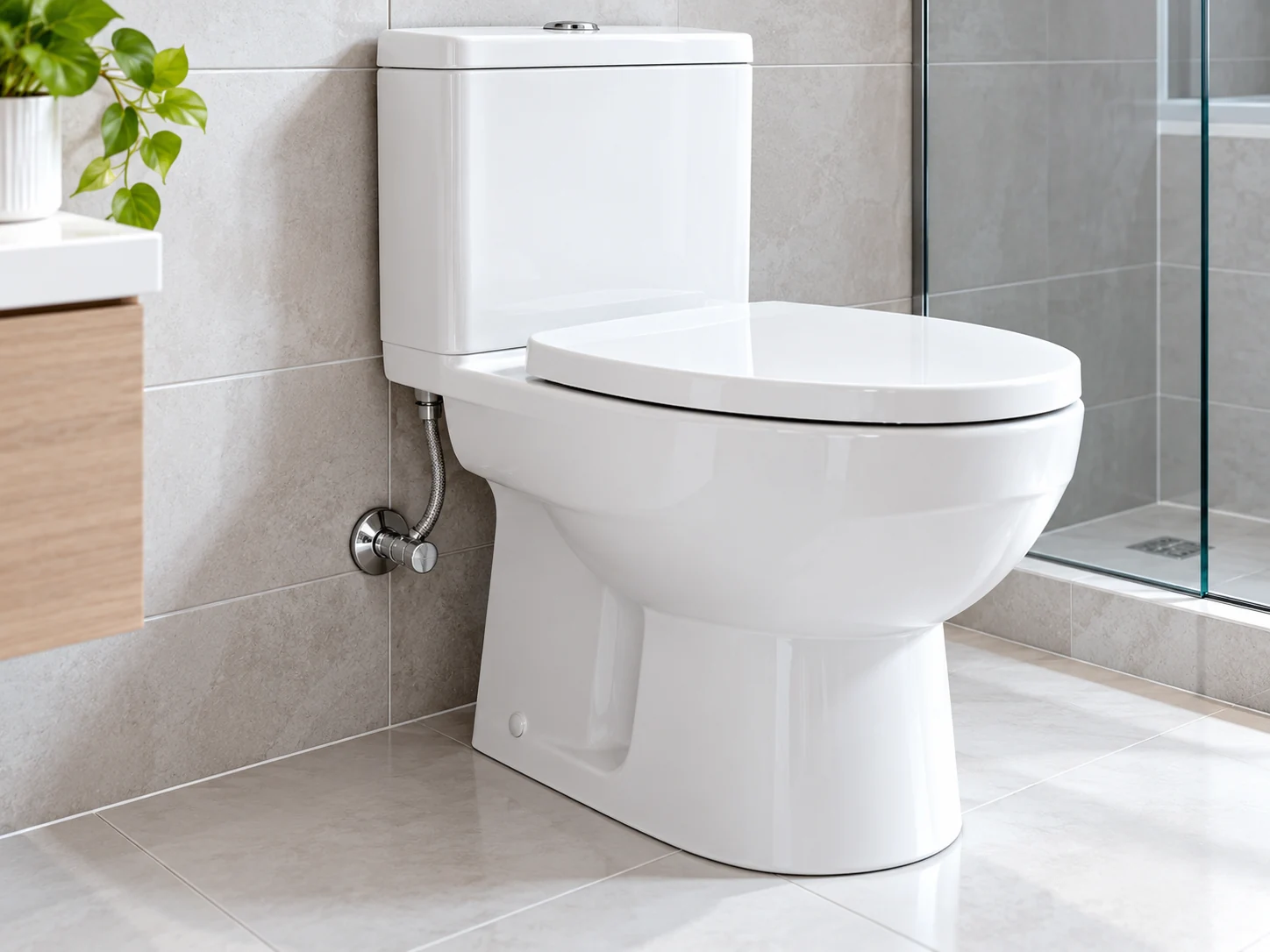
A toilet has two connected parts: the cistern, which stores and releases flush water, and the pan and drain, which carry waste away. A fault in the cistern can cause running water, weak flushing or a leak around the unit. A fault further down can make the bowl drain slowly, gurgle or rise after flushing.
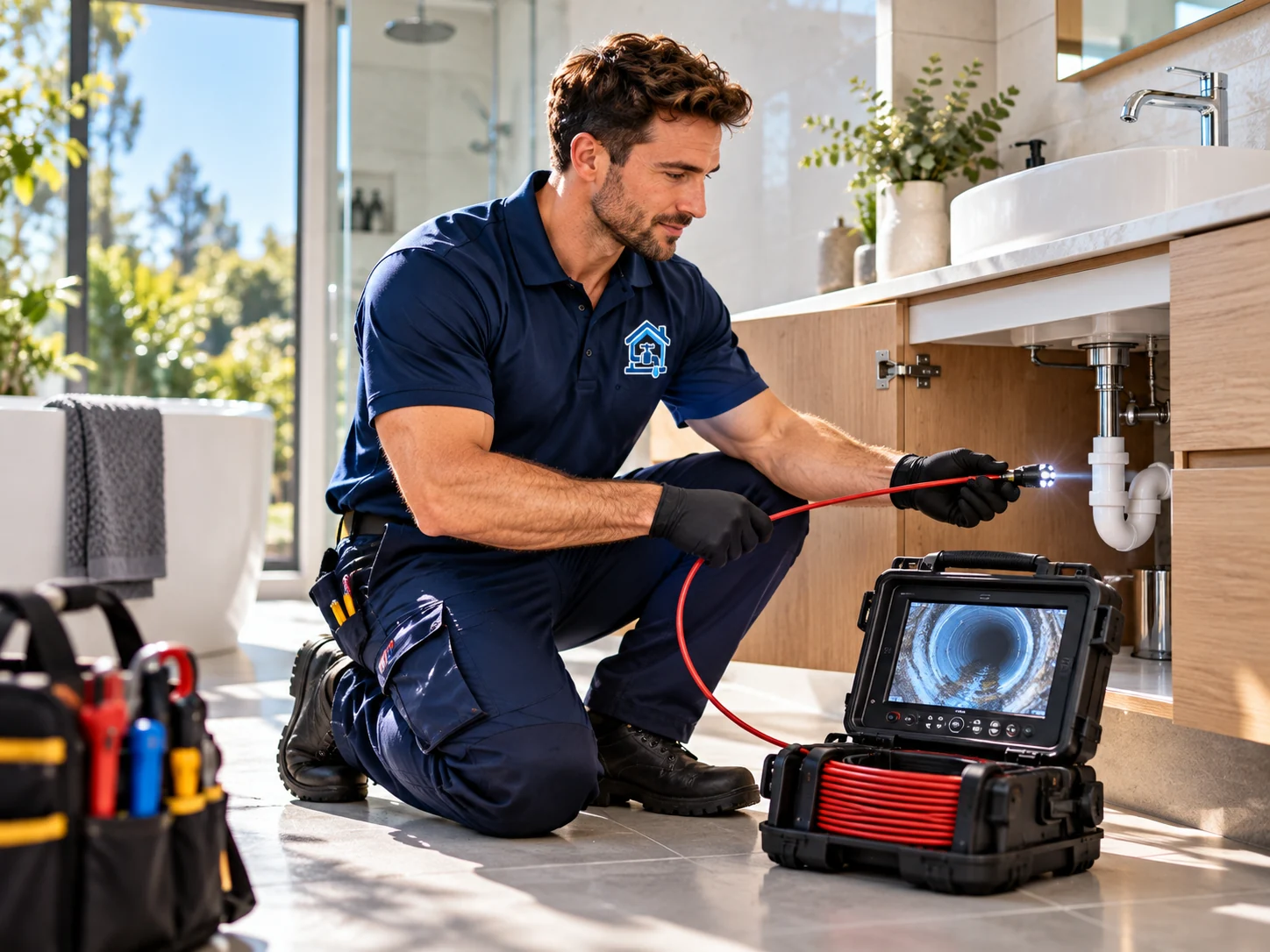
The repair starts with identifying where the problem sits. That may mean checking the cistern components, the pan connection and surrounding seals, or looking at how the toilet and nearby fixtures are draining. If a drain issue is suspected, a CCTV drain camera may be one way to locate the obstruction or damage without guessing.
In Victoria, sanitary plumbing is a regulated class of plumbing work. For work that needs licensed plumbing, use an appropriately licensed practitioner and ask questions about the scope before work begins. This matters for a simple-looking toilet fault as well as for a more involved drain or replacement job.
Do not keep flushing a toilet that is rising, overflowing or draining very slowly. Keep children and pets away from wastewater, and avoid using nearby taps, showers, washing machines or dishwashers if several fixtures are backing up. Wastewater can carry contamination and extra water use can make an overflow worse.
If water has reached, or is moving towards, a power point, appliance, electrical lead or switchboard, keep clear and do not touch electrical switches or equipment in the wet area. Seek urgent help. If you smell gas as well as having any plumbing problem, leave the area without using electrical switches, flames or appliances, then contact the gas distributor emergency line or 000 from a safe place.
A constantly running toilet often means water is entering the cistern when it should have stopped, or escaping from the cistern into the bowl after the flush. The inlet valve, sometimes called the fill valve, controls water flowing into the cistern. The outlet valve or flush valve is the part that releases water into the pan and then needs to seal again.
If the inlet valve does not shut off at the right level, water may keep filling and discharge through the cistern’s overflow path. If the outlet seal is worn or the flush mechanism is not seating correctly, a steady trickle can pass into the bowl and trigger repeated refilling. Both can sound like a hiss, a periodic refill or a quiet trickle, but the corrective work depends on which component has failed.
Limescale, age, movement in the mechanism and worn seals can all contribute, but the toilet should be inspected rather than repaired by trial and error. A plumber can check the water level, valve operation, seals and flush linkage, then explain whether a component repair is suitable or whether replacement is the more sensible option.
The same symptom can have more than one cause. This guide helps you describe the issue clearly; it is not a diagnosis.
| What you notice | Possible area to check | Why an assessment helps |
|---|---|---|
| Water keeps running into the bowl | Outlet valve, flush valve or its seal | A slow leak from the cistern can be difficult to see but may keep the inlet valve cycling. |
| Cistern keeps filling or water is high inside it | Inlet valve or water-level setting | The filling mechanism may not be shutting off as intended. |
| Water on the floor near the cistern or pan | Cistern connection, supply connection, seal or pan area | The visible puddle may be travelling from another point, so the source needs tracing. |
| Flush feels weak or incomplete | Cistern fill, flush mechanism, rim outlets, trap or drain | The problem may be low flush volume, a faulty mechanism or restricted flow beyond the pan. |
| Bowl rises, gurgles or nearby drains are slow | Toilet trap, branch drain or sewer line | More than one affected fixture can suggest the problem is not limited to the toilet. |
| Cracked ceramic or a toilet that moves | Pan, mounting or connection | A damaged or unstable fixture needs careful assessment before it is used further. |
Avoid pouring chemical drain cleaners into a toilet. They may not clear the cause and can add a handling risk if the drain needs to be opened.
A blocked toilet is not always blocked in the same place. The obstruction may be in the toilet’s internal trap, the branch drain serving that room or a larger sewer line. Toilet paper, wipes, sanitary items, small objects, fats and other unsuitable material can contribute to blockages; water authorities advise binning anything other than water, human waste and toilet paper.
Look for the pattern rather than trying repeated flushes. If only one toilet is affected and other fixtures are normal, the restriction may be close to that toilet. If a shower, basin or other toilet is also slow, gurgling or backing up, it may indicate a shared drainage issue that needs broader investigation.
For Melbourne properties, responsibility can depend on the blockage location. South East Water advises that an internal or combined private drain is the property’s responsibility, while an unclear location may need a licensed plumber to determine. A renter should let their rental provider or landlord know as soon as possible, especially when the toilet is unusable or wastewater is present.
These simple actions reduce the chance of making the situation worse while you arrange help.
Do not try repeated flushes to force water through. Leave the toilet out of use if the bowl is rising, draining slowly or overflowing.
If other drains are also slow or backing up, avoid using water-fed appliances and nearby bathroom fixtures. This can reduce the volume reaching a suspected shared drain.
Notice which fixtures are affected, whether there are gurgling sounds or odours, and whether the problem began after a particular item was flushed. This gives the plumber useful context.
Keep people away from wastewater and move items that can be safely removed from the floor. Do not use electrical equipment in a wet area.
Call (02) 5837 5457 for Grade A Plumbing. For rental properties, notify the rental provider or property manager promptly as well.
 concept
The right repair depends on the fixture, connection and symptoms. We explain what needs attention and discuss the scope before proceeding.
A cistern leak is not always dramatic. Moisture can show around a connection, underneath the cistern or at the back of the pan, while a concealed leak inside the cistern may only show as water moving into the bowl. Water on the bathroom floor should not be ignored, because it can affect skirting, cabinetry, flooring and rooms below.
The inlet valve regulates the incoming water. The outlet valve holds the stored water until a flush and then closes so the cistern can refill. Faults in either can cause a partial fill, a delayed refill, a flush that does not release enough water or continual water loss. A sticking button, loose linkage or worn seal can create similar symptoms, which is why the parts need checking together.
Weak flushing is sometimes a cistern issue and sometimes not. A cistern that has not filled to its intended level cannot deliver its normal flush volume. But restricted rim holes, an obstruction in the pan trap or a partial drain blockage can also make the flush seem weak. The right repair follows the cause, not just the symptom.
A repair may be practical where the fixture is sound and a specific component has failed, while replacement is worth discussing when the toilet itself is the ongoing problem.
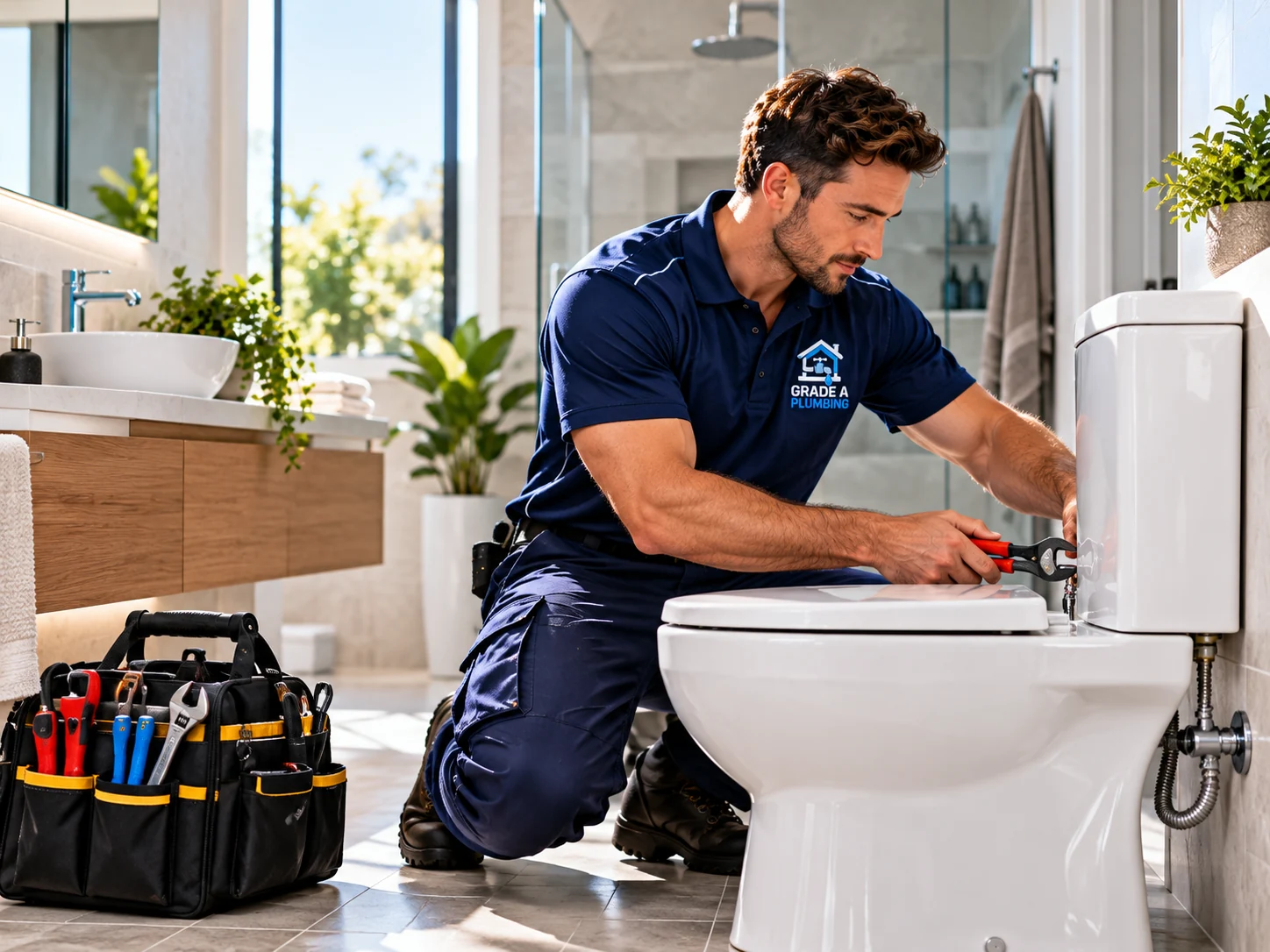
Replacing a toilet is more than choosing the look of a pan. The existing water supply and waste connection, the set-out from the wall, floor condition, room access and the type of toilet all affect what can be fitted. A close-coupled toilet, wall-faced style and other configurations have different space and connection considerations.
The existing fixture needs to be removed and the connections assessed before the scope is clear. There may be hidden damage, corroded fittings, an uneven floor, old sealing material or a drain connection that affects the work. If the new toilet is not like-for-like, extra plumbing or making-good work may be needed.
For a rental or managed property in Melbourne, approval should be clear before a planned replacement is arranged. The owner or manager can also decide how the work should be documented for the property record. If the existing toilet is unsafe or unusable, explain that when you make the enquiry so the issue can be prioritised appropriately.
Toilet repair costs are driven by the cause of the fault and the work required to correct it, not just the name of the symptom. A straightforward cistern component issue is different from diagnosing a hidden leak, clearing a drain further from the bathroom or replacing the fixture. The toilet type and condition can also affect which parts suit the job and how much access is needed.
A clear quote should spell out what is included and how changes will be handled. Consumer Affairs Victoria advises tradespeople to be clear about items such as transport, materials, labour and any call-out or out-of-hours charges, and to document the quote and cost discussions. Ask what the assessment has found, what repair is proposed and whether there are alternatives before approving work.
Grade A Plumbing can assess the toilet and explain the practical options for your Melbourne property. A firm price requires that assessment, particularly where the cause may be in a concealed cistern connection, pan connection or underground drain.
A toilet fault can affect access, hygiene and day-to-day operations. When reporting the issue, include the property type, the number of toilets affected, whether wastewater is present, whether other fixtures are slow, and whether the site has any access requirements. This helps define the problem before attendance.
For commercial premises, avoid assuming a blocked toilet is an isolated amenity issue when other fixtures are involved. A broader drainage assessment may be appropriate. Grade A Plumbing also assists businesses with commercial plumbing enquiries.
We do not publish fixed prices, because the right figure depends on what is actually found on site. These are the factors that shape a quote, and the proposed scope and price are explained before agreed work proceeds.
A visible cistern component issue is a different scope from a concealed leak, a faulty pan connection or a blockage deeper in the drain. Identifying the cause is the starting point for a firm price.
Tight bathroom layouts, concealed cisterns, difficult access, restricted site access or the need to protect affected areas can change the work involved.
The required valve, seal, flush component or replacement fixture must suit the existing toilet and connections. Older or non-standard fittings can affect the options available.
A toilet blockage may require work beyond the pan if the issue is in a branch drain or sewer line. Locating a concealed blockage can involve diagnostic work before the repair method is clear.
Replacement can involve removing the existing toilet, checking connections and floor condition, fitting the new unit and making good where needed. A non-like-for-like change can add to the scope.
An active overflow or an after-hours request may have different practical requirements from a planned repair. Ask what the quote includes, including any call-out or out-of-hours charges, before authorising work.
Every business prices this work differently, and the figure depends on the assessment outcome, access, parts and whether attendance is outside standard hours. Ask for the proposed scope and price before work starts.
If your situation is urgent, call first to discuss availability and the safest next step.
Water may be passing from the cistern into the bowl, or the inlet valve may not be stopping the refill at the intended water level. A worn outlet seal, faulty flush valve, sticking linkage or inlet-valve issue can create similar sounds and behaviour. An inspection identifies which component is causing the refill cycle rather than replacing parts at random.
Yes. Water can leak internally from the cistern to the bowl without appearing on the floor, then the inlet valve continues to top the cistern up. You may hear a hiss, intermittent filling or see a trickle in the pan. It is worth arranging an assessment even when the bathroom itself looks dry.
Do not flush again, because another flush can turn a near-overflow into an actual overflow. Keep the toilet out of use and, if other fixtures are slow or backing up, limit water use nearby. Call for an assessment and tell the plumber whether the issue affects one toilet or more than one drain.
The cistern may not be filling or releasing water properly, so the pan receives less water than it should. A weak flush can also be caused by restricted water outlets in the pan, an obstruction in the toilet trap or a partial blockage in the drain. The cause needs checking before deciding whether the work is a cistern repair or drain work.
A leak around a cistern or supply connection should be dealt with promptly, especially if water is reaching flooring, cabinetry or another room. The source is not always where the water first appears, and ongoing dampness can damage finishes. If water is near electrical fittings or appliances, keep clear of the area and seek urgent help.
Water authorities advise putting wipes in the bin, including those described as flushable. Wipes and other unsuitable items can lodge in a toilet or drain and contribute to a blockage. Use the toilet only for human waste and toilet paper to reduce the chance of a repeat issue.
When more than one fixture is affected, the restriction may be further along a shared branch drain or sewer line rather than inside one toilet. Gurgling sounds, odours or wastewater appearing at another fixture are useful details to report. A plumber can investigate the drainage system and determine the relevant next step.
Repair can be suitable when the fixture is sound and the problem is one available component, such as a valve, seal or flush mechanism. Replacement may be more practical where ceramic is cracked, the toilet is unstable, parts are unsuitable or unavailable, or faults continue across several components. The choice is clearer after the existing connections and toilet condition have been assessed.
Describe whether the toilet is running, leaking, weak-flushing, blocked or overflowing, and say whether any other fixtures are affected. Mention visible water, wastewater, odours, the toilet type if known, access constraints and whether the property is tenanted or commercial. Clear information helps the issue be assessed safely and efficiently.
Let your rental provider, landlord or property manager know as soon as possible, particularly if the toilet cannot be used or there is an overflow. South East Water specifically advises renters with a blockage within the home or a combined private drain to contact their rental provider or landlord promptly. If you need urgent plumbing help, also explain the tenancy situation when you call.
General plumbing, safety and compliance guidance on this page was checked against the following Australian sources. Nothing on this page replaces an on-site assessment.
Current availability depends on location and bookings. For immediate danger, contact emergency services.
Browse listed suburbs and contact us to confirm current availability.