
No hot water
Describe when the problem began and whether the whole property is affected.
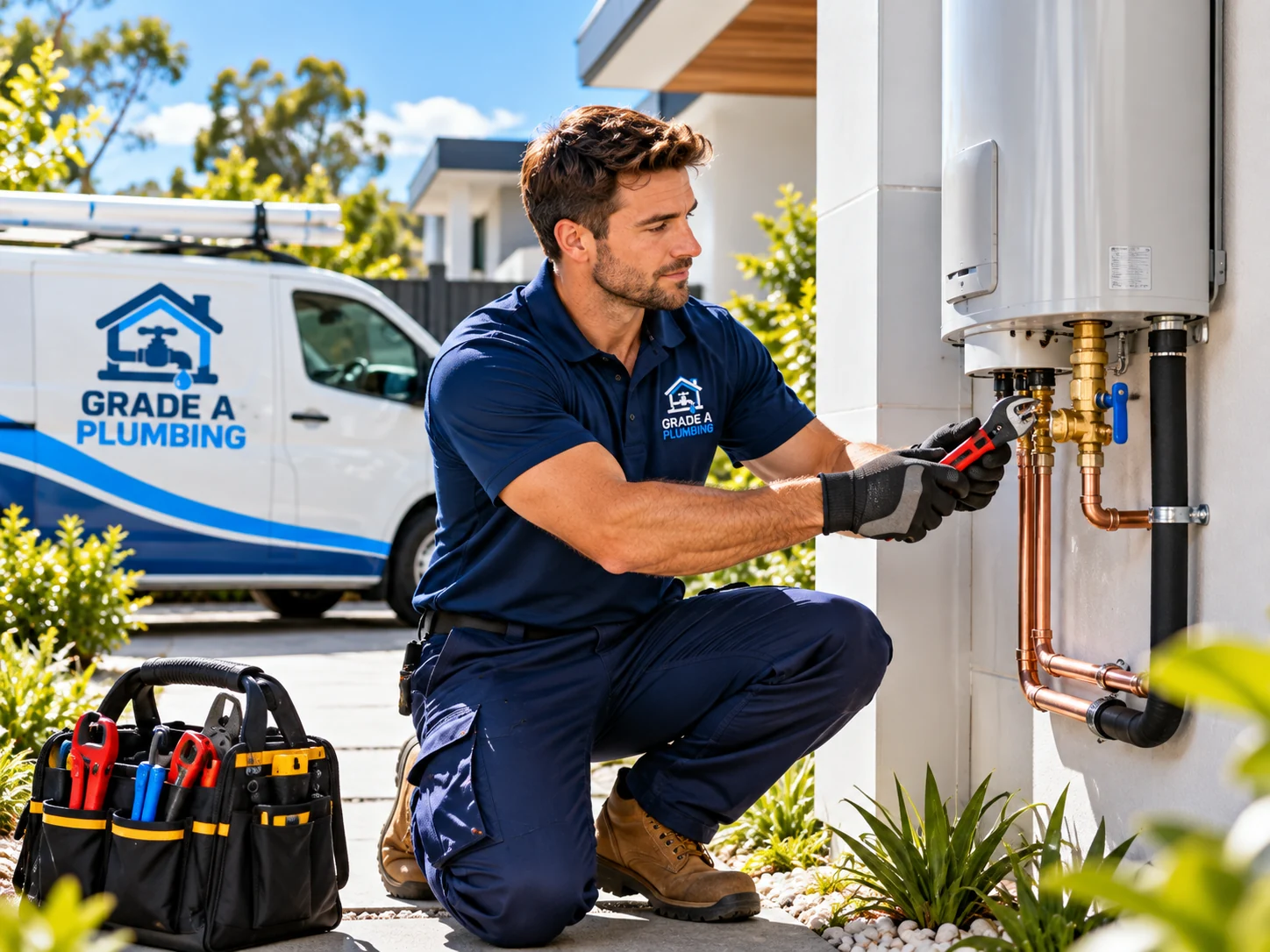
No hot water, a leak or temperatures that will not stay steady can throw a household or property into chaos. Get clear next steps and arrange an assessment for your Melbourne hot water system.
Tell us the system type, make or model if known, the symptoms and your suburb. We can discuss an appropriate next step.
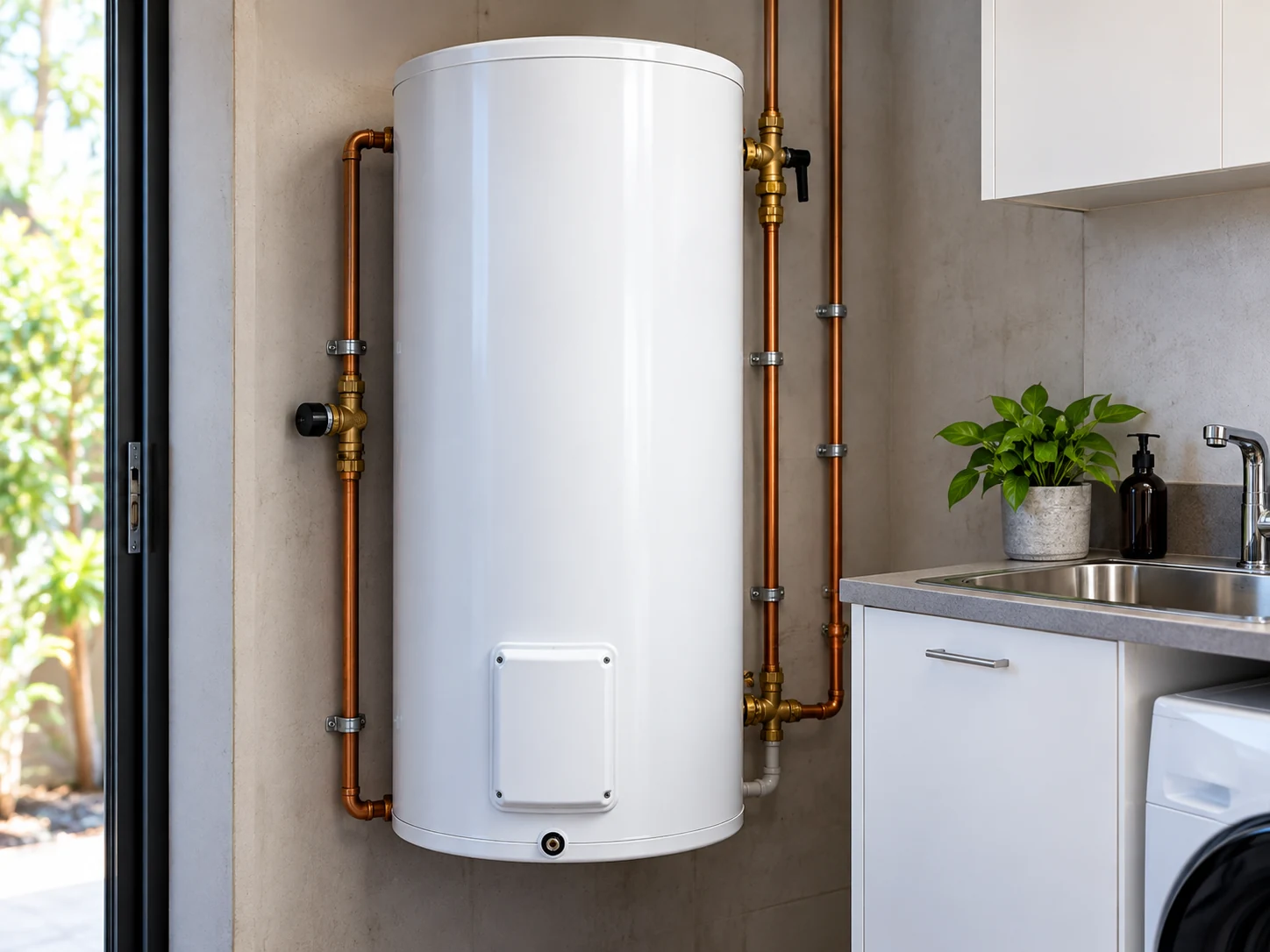 conceptconcept
 concept
No hot water is more than an inconvenience when you have children to wash, tenants to look after or a business to open. A cold shower, an oddly hot tap or a puddle around the unit can each have different causes, so it helps to slow down, note what is happening and arrange the right assessment rather than guessing at a fix.
Grade A Plumbing helps with hot water system faults, repairs, replacement planning and installation enquiries across Melbourne, VIC. Whether the system is gas or electric, storage or continuous flow, the aim is to identify the fault, explain the practical options and give you a firm price only after the required work has been assessed.
For an urgent leak or sudden loss of hot water, call (02) 5837 5457 or send the details to support@gradeaplumbing.store. Emergency plumbing is advertised 24/7 where available; explain if water is escaping, if the property is occupied, and whether the unit is gas or electric if you know.
Some faults announce themselves clearly: the water stays cold, the tank is dripping or there is rusty water at a hot tap. Others are less obvious, such as a shower that swings from hot to cold, weak hot-water flow at one bathroom, banging pipes or a system that runs out much sooner than usual. These clues are useful because they help separate a fixture issue from a whole-system issue.
A leak around a storage tank or its pipework can damage floors, walls or neighbouring property if it is left unchecked. Water near electrical equipment, a damaged electrical lead, a strong gas smell, visible flames where they should not be, or signs of scorching are reasons to keep clear and seek urgent help. Do not remove covers or try to repair a heater yourself.
Tenants should report the issue promptly to the landlord or property manager and record what they can see without putting themselves at risk. Property managers and owners can help the assessment by sharing the address, access arrangements, system type, fault symptoms, and whether the problem affects one outlet or the whole property.
If you suspect a gas leak, leave the area. Do not use electrical switches, flames or appliances, and do not smoke or strike matches. Contact the gas distributor emergency line or 000 from a safe place if there is a fire or immediate emergency; Energy Safe Victoria advises contacting the distributor shown on the gas bill for gas leaks.
If water is close to electrical components or the heater appears electrically unsafe, keep people away and do not touch the unit or its switches. A leaking hot water service can also keep releasing water after the fault starts, so avoid slipping hazards and protect people and property where this can be done safely.
Gas systems use a gas burner to heat water, while electric systems use electricity. Either fuel can serve a household well, but the best fit depends on the existing services at the property, the household’s pattern of use, the space available, future plans and the condition of the current system. A gas replacement or new gas connection needs appropriately licensed gasfitting work in Victoria.
Electric hot water includes conventional electric storage, heat-pump and solar-assisted options. A heat pump uses electricity to move heat rather than simply heating the water with an element, while solar systems use collectors with a booster for times when solar input is not enough. These choices need site-specific consideration, including space, noise location for relevant equipment, electrical capacity and how the household uses hot water.
Do not choose only by the unit you can see on a neighbour’s wall. A useful assessment considers the number of regular users, baths and showers, simultaneous demand, kitchen and laundry use, existing gas or electrical setup, and whether hot water is required at multiple points at once.
Both types can be gas or electric in different configurations. The important question is how the system will meet real demand at your property.
| System type | How it works | What to consider |
|---|---|---|
| Storage | Water is heated and kept in an insulated tank for later use. | Capacity, recovery time, available space, tank condition and peak household demand all matter. |
| Continuous flow | Water is heated as it passes through the unit when a hot tap is opened. | Flow rate, gas or electrical supply, water pressure and simultaneous use affect performance. |
| Gas storage | A burner heats stored water in a tank. | The tank, burner, flue or ventilation arrangement and gasfitting requirements should be assessed. |
| Electric storage | An electric element heats a stored volume of water. | Electrical supply, heating schedule, tank size and the time needed to reheat are relevant. |
| Heat pump or solar-assisted | These use ambient heat or sunlight with an electric booster where needed. | Location, climate exposure, equipment space, electrical setup and eligible-product requirements can affect suitability. |
A like-for-like replacement is not always the right answer. A change in household size, tenancy use or energy plan may change what is suitable.
Hot water that never heats may point to a failed heating component, energy supply issue, control problem, pilot or burner fault in a gas unit, or a system that has reached the end of its useful condition. It can also be a demand issue: a storage tank may be depleted after heavy use and need time to recover. The cause cannot be confirmed safely from a symptom alone.
A shower that changes temperature can be especially frustrating. Possible contributors include more than one hot outlet being used at once, pressure changes between hot and cold supplies, a tempering or mixing valve issue, a problem at the shower mixer, or a continuous-flow unit reacting to low or changing water flow. An assessment should look at when the change occurs and which fixtures are affected.
Low pressure at hot taps can have a different cause from cold water pressure. Restricted pipework, a valve problem, sediment at a fixture, a pressure-control issue or a fault within the hot water system may be involved. If both hot and cold water are weak, the cause may lie elsewhere in the plumbing supply.
These are starting points for diagnosis, not a reason to dismantle the system or adjust gas or electrical components.
| What you notice | Possible area to assess | What helps to report |
|---|---|---|
| No hot water anywhere | Energy supply, controls, heating components or the whole system | When it stopped, system type and whether any warning light or message is visible from a safe distance |
| Hot water runs out early | Storage capacity, recovery, heating performance or increased demand | How many people used hot water beforehand and whether this is new |
| Shower goes hot then cold | Flow, pressure, mixing valve, shower mixer or continuous-flow performance | Whether it happens at other taps or when another outlet is used |
| Water around the unit | Tank, valves, pipework, connections or overflow discharge | Where the water appears, whether it is steady, and whether damage is spreading |
| Hot water pressure is weak | System, valves, pipework or the affected fixture | Whether cold water is also weak and which fixtures are affected |
If a leak is spreading or safety is in question, treat it as urgent and keep clear of hazards.
You do not need to diagnose the problem. These simple observations can reduce back-and-forth and help a plumber arrive prepared.
The unit, condition and site affect service options. Share the details you know when you enquire.
Describe when the problem began and whether the whole property is affected.
If safe, note where water is visible and whether it is getting worse.
Share any change in water temperature or consistency.
If visible, note the make, model or error code without removing covers.
conceptThe unit, age, fuel source, access and condition affect the suitable options. Service availability must be confirmed for the specific system.
A tempering valve mixes hot and cold water before delivery so water at outlets is safer. This matters because stored hot water may need to be kept at a higher temperature, while bathroom outlets need safer delivery temperatures to reduce scalding risk. The Victorian Building and Plumbing Commission explains that hot water is stored above 60°C to help prevent bacteria growth and that tempering lowers the outlet temperature.
If taps suddenly seem too hot, not hot enough, or vary without a clear pattern, the tempering arrangement is one part of the system that may need assessment. A thermostatic mixing valve is a different type of temperature-control valve that can be set to deliver water at a precise temperature in appropriate settings. Neither is a part to adjust casually.
Pressure-control equipment is also important. Too much pressure can place strain on the system and pipework, while low pressure can make showers and appliances perform poorly. A licensed plumber can assess pressure, valves and the broader hot water setup rather than treating a single outlet as the whole problem.
Every fault is different, but a clear process keeps the decision focused on safety, cause and suitable options.
Share what has changed, where it occurs and whether there is active leaking, loss of heat, pressure trouble or a safety concern.
The system type, visible condition, supply connections, controls, valves and affected outlets can be examined within the appropriate scope of work.
You should be told what appears to be wrong, what needs further testing if relevant, and which repair or replacement paths are practical.
The age and condition of the system, availability of suitable parts, nature of the fault, ongoing reliability concerns and installation requirements all inform the decision.
A firm price requires the work to be assessed. The scope should identify the system or components involved, any associated plumbing, gasfitting or electrical coordination, and the next steps.
A repair may make sense when the fault is contained, the unit is otherwise in sound condition and the needed work is appropriate for its remaining service life. Common repair discussions can involve valves, controls, heating components, pipework connections, a mixer or a tempering device. The right answer depends on inspection, not on a single symptom or the system’s age alone.
Replacement may be worth considering when a tank is deteriorating, leaks cannot be resolved safely, faults are recurring, suitable parts are unavailable, capacity no longer suits the property, or the existing fuel and system type no longer makes sense for the site. It is also a chance to consider a different configuration, but changing system type can involve additional work beyond removing and fitting a unit.
Ask for the options in plain terms: what is causing the current problem, what work each option includes, what practical limitations apply, and what needs to happen before installation. For a landlord or property manager, it is also sensible to consider continuity of hot water for occupants and access arrangements.
Hot water installation is not simply a matter of matching the old unit. The available space, safe access, foundation or mounting location, drainage for discharge, existing water pipes, energy connection, ventilation where relevant, and the household’s demand all need to be considered. Apartments, tight side access, concealed services and shared-property requirements can add planning needs.
For gas systems, gasfitting and appliance work must be handled by appropriately licensed practitioners in Victoria. Electric systems may need electrical work coordinated separately. The licensed practitioner can advise what compliance documentation applies to the particular installation; do not assume a previous installation was correctly configured or that a direct swap needs no checks.
If you are planning a heat-pump or solar hot water system, discuss where equipment could sit, potential noise considerations, access for servicing and the property’s electrical setup. Victorian government incentives may be available for eligible heat-pump and solar hot water products, but eligibility, authorised retailer requirements and product lists can change, so check Solar Victoria before committing.
Planned maintenance is useful because a hot water system works every day, often out of sight. A suitable service can identify ageing valves, corrosion, deteriorating connections, pressure issues, temperature-control concerns and other developing faults before they become an inconvenient outage or a larger leak. The appropriate maintenance interval depends on the system, location, water conditions and manufacturer guidance.
Keep the area around the system accessible and avoid storing items that make inspection difficult or create a hazard. If you notice new dripping, corrosion, unusual sounds, changes in water temperature or reduced hot-water capacity, arrange an assessment rather than waiting for complete failure. For gas appliances and gas connections, leave servicing and safety work to qualified professionals.
We do not publish fixed prices, because the right figure depends on what is actually found on site. These are the factors that shape a quote, and the proposed scope and price are explained before agreed work proceeds.
A contained valve or control issue is different from a deteriorated tank, damaged pipework or a fault that needs broader investigation. The condition of the existing unit affects whether repair is practical.
Gas, electric storage, continuous-flow, heat-pump and solar-assisted systems have different components, connections and installation requirements. A change from one type to another can add work beyond a like-for-like replacement.
Tight side access, upper-level units, restricted plant areas, concealed services or shared-property rules can affect the time and equipment needed to complete the work safely.
The number of users, fixtures, simultaneous demand and intended use of the property influence the suitable system configuration. A system that is undersized or unsuitable may need a different solution.
Valves, pipework, drainage, energy connections, ventilation and any required coordination with other licensed trades can change the scope. These items need assessment at the property.
An active leak, loss of hot water at an occupied property or a safety concern may need a different response from planned replacement. A firm price requires the work to be assessed.
Every business prices this work differently, and the figure depends on the assessment outcome, access, parts and whether attendance is outside standard hours. Ask for the proposed scope and price before work starts.
If your situation is urgent, call first to discuss availability and the safest next step.
A complete loss of hot water can be caused by an energy supply issue, a control or heating-component fault, a gas burner or ignition issue, or a system that has stopped operating correctly. With a storage system, unusually high demand may also empty the available hot water before the tank has time to recover. An assessment is the safe way to establish the cause, particularly where gas or electrical components are involved.
Temperature swings can come from changes in water flow or pressure, use of another outlet in the property, a mixer or tempering-valve issue, or the way a continuous-flow system responds to demand. If the problem is only at one shower, the shower fixture may be relevant; if it occurs across the property, the system or supply needs closer attention. Note when it happens, but do not attempt to adjust internal gas, electrical or valve components yourself.
It can be, especially where water is spreading, damaging building materials, reaching electrical equipment or coming from a visibly deteriorated tank. A small amount of discharge may have a different explanation from an active leak, so location and pattern matter. Keep people away from electrical or slip hazards and arrange urgent help if water damage is growing.
A tempering valve mixes hot and cold water so water delivered at outlets is safer while the system can store water at a higher temperature. The Victorian Building and Plumbing Commission explains that this balance helps address scalding risk and bacteria control. If outlet water becomes unusually hot or inconsistent, the temperature-control arrangement should be assessed by a qualified professional.
That depends on the fault, the overall condition of the system, whether it is leaking or corroded, the availability of suitable parts and whether its capacity still suits the property. A contained fault in an otherwise sound unit may be repairable, while recurring faults or a deteriorating tank may make replacement more sensible. Ask for the practical options after an onsite assessment, not a guess based on the unit’s age.
A change may be possible, but it should be planned around the property’s water connections, electrical capacity, space, location and household demand. A heat pump or solar-assisted system has different siting and equipment considerations from a conventional storage or continuous-flow unit. Any gas disconnection or new connection and related plumbing or electrical work needs the appropriate licensed trades.
When only the hot side is weak, the restriction may be within the hot water system, an associated valve or pipework, or at a particular fixture. If both hot and cold are weak, the issue may be outside the heater itself. Reporting which taps are affected helps narrow down the likely area without assuming the cause.
Possibly, but tank size alone does not answer the question. A useful review considers the number of regular occupants, shower and bath use, simultaneous demand, kitchen and laundry use, recovery time and the existing energy setup. This is especially relevant for a property manager when occupancy or the use of the property has changed.
Solar Victoria currently lists rebates for eligible heat-pump and solar hot water products, with conditions around the applicant, property, retailer and approved product. The programme also has a separate emergency-installation process, but eligibility is not automatic. Check the current Solar Victoria requirements and authorised retailer list before accepting a quote or relying on an incentive.
Make a note of the symptoms, when they started, which fixtures are affected and whether there is a visible leak or warning display that can be viewed safely. Ensure safe access to the unit where possible and advise of gates, parking, tenants, pets or building-management requirements. For a rental, notify the appropriate landlord or property manager promptly and follow the property’s access process.
General plumbing, safety and compliance guidance on this page was checked against the following Australian sources. Nothing on this page replaces an on-site assessment.
Current availability depends on location and bookings. For immediate danger, contact emergency services.
Browse listed suburbs and contact us to confirm current availability.